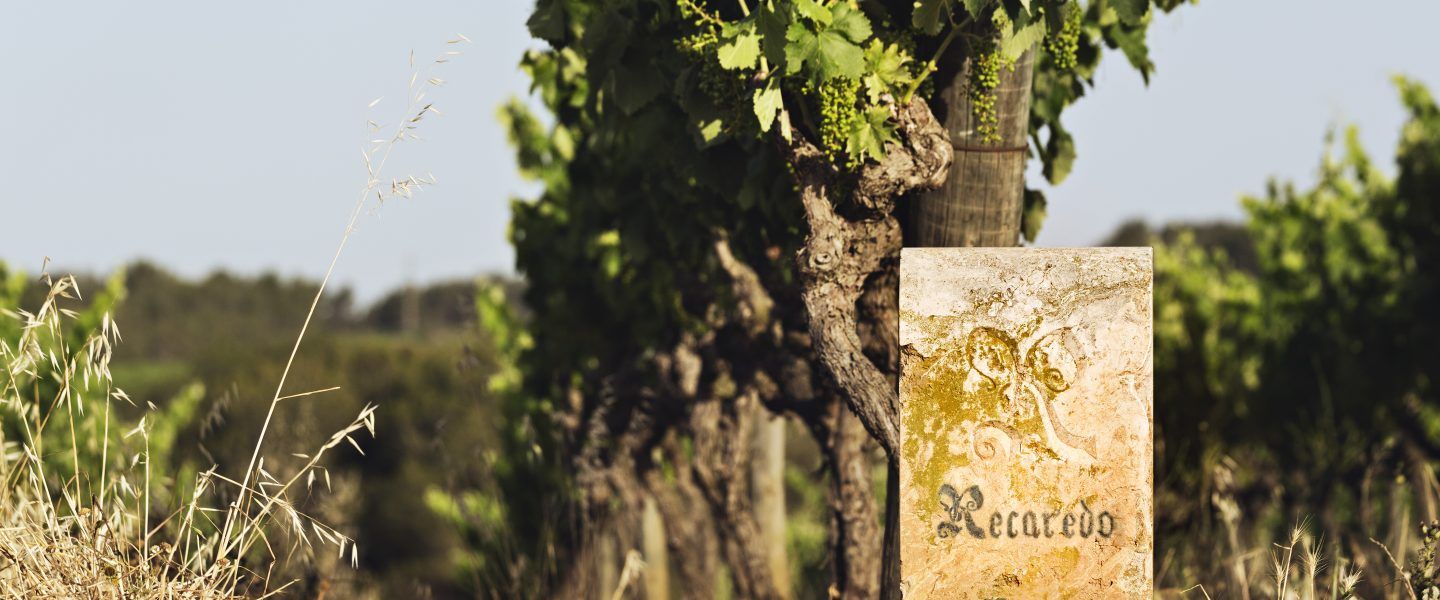
For the Recaredo family and team, Bureau Veritas certification is an expression of our commitment to transparency and honesty. From the vineyard to the winery and throughout the long ageing process in our cellars, the audit independently verifies the standards that define the way we craft our wines.
“Saying what we do and doing what we say”
The principle is simple, yet demanding: “Saying what we do and doing what we say”. Guided by this belief, in 2003 Recaredo became the first winery to voluntarily submit its processes to the scrutiny of the independent certification body Bureau Veritas. The certification covers every stage, from caring for the land to the final bottling of the wine.
This pioneering step is the result of more than a century of progress and dedication—a journey that wine experts have described as Recaredo’s Silent Revolution. By having every stage of our work independently audited, we reaffirm our commitment and show that the value of our Corpinnats is the direct result of rigorous, measurable work.
Guaranteed origin: 100% estate-owned vineyards and native grape varieties
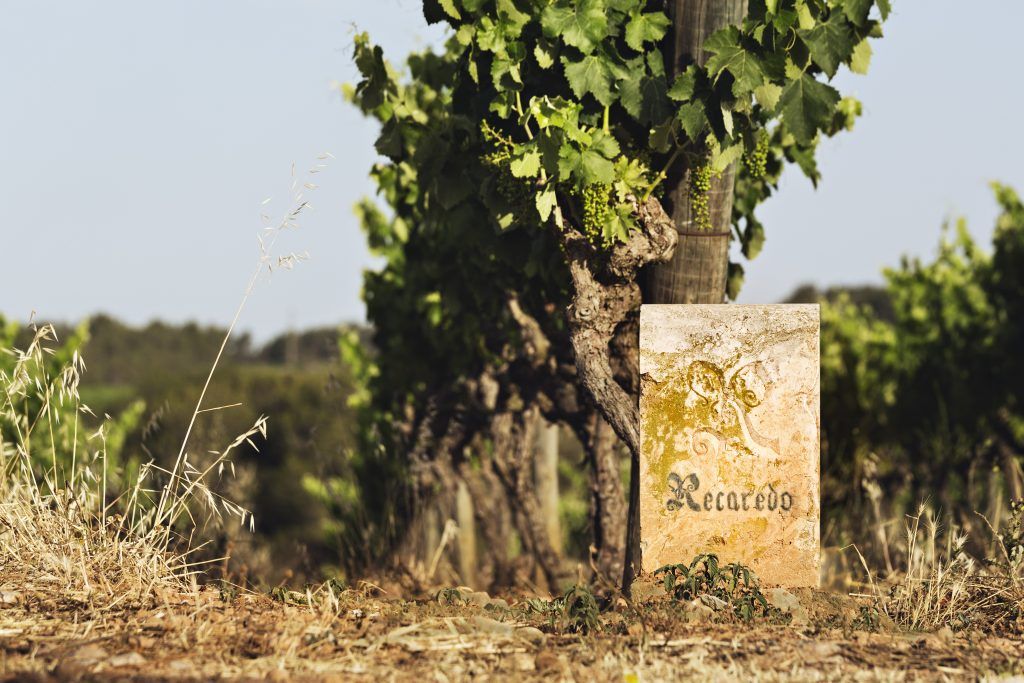
The traceability and identity of a wine begin with the vine itself. Recaredo maintains complete control over its grapes through three fundamental pillars:
Viticulture in the Corpinnat territory: an absolute connection to origin
To produce sparkling wines that are deeply connected to their place of origin, Recaredo works exclusively with family-owned vineyards in the heart of the Penedès. This allows us to grow grapes of exceptional quality and ensures that every bottle faithfully reflects the geological and climatic characteristics of the Corpinnat territory.
The value of the Penedès’ historic grape varieties
Our distinctive identity stems from the region’s viticultural heritage. Since the 2014 vintage, all the estate’s sparkling wines have been made 100% from historic grape varieties of the Penedès, like xarel·lo, macabeu, parellada, garnatxa negra and monastrell. This is a firm commitment to expressing the identity of a unique territory.
Dry-farmed organic and biodynamic viticulture: respect for biodiversity
Recaredo’s commitment to preserving nature and its biodiversity is reflected in a rigorous and certified journey:
- 2004: Firsts steps working according to organic principles.
- 2006: Recaredo obtained organic farming certification from the CCPAE and we began working according to biodynamic principles.
- 2010: Recaredo was awarded Demeter certification, becoming the first winery in the Penedès to receive this biodynamic recognition.
The entire harvest is carried out by hand, ensuring a meticulous selection of the grapes.
Rigour in winemaking: vinification and yeasts from our own vineyards
Guiding the expression of the grapes throughout the entire process allows us to preserve what makes them unique, while respecting their origin and natural character.
100% vinification on the estate: complete control from grape to bottle
Every stage of vinification, winemaking and ageing takes place at the Recaredo winery. Keeping the entire process on the estate ensures that the rigour applied to the grapes at their origin is maintained throughout, under the direct supervision of the family and its technical team.
Innovation in fermentation: isolated yeasts and must from our vineyards
Recaredo has removed elements that do not originate in the vineyard from its fermentation processes:
- Our own yeasts in both fermentations: since the 2020 vintage, all Recaredo Corpinnats have undergone both their first and second fermentations using yeasts isolated from our own vineyards. This achievement is the result of a twenty-year research project carried out in collaboration with the Universidad Politécnica de Madrid.
- Second fermentation with grape must: since the 2017 harvest, every bottle we produce has begun its second fermentation in bottle using organic rectified concentrated grape must instead of refined sucrose derived from organic cane sugar. In wines such as Recaredo Subtil, Reserva Particular de Recaredo and Turó d’en Mota de Recaredo, the second fermentation is initiated directly with must from the vineyard where the wine originates.
The mastery of time: a minimum of 30 months’ ageing under natural cork
Time shapes the bubbles and the character of Recaredo’s Corpinnats.
Natural cork: sustainability and quality throughout long ageing
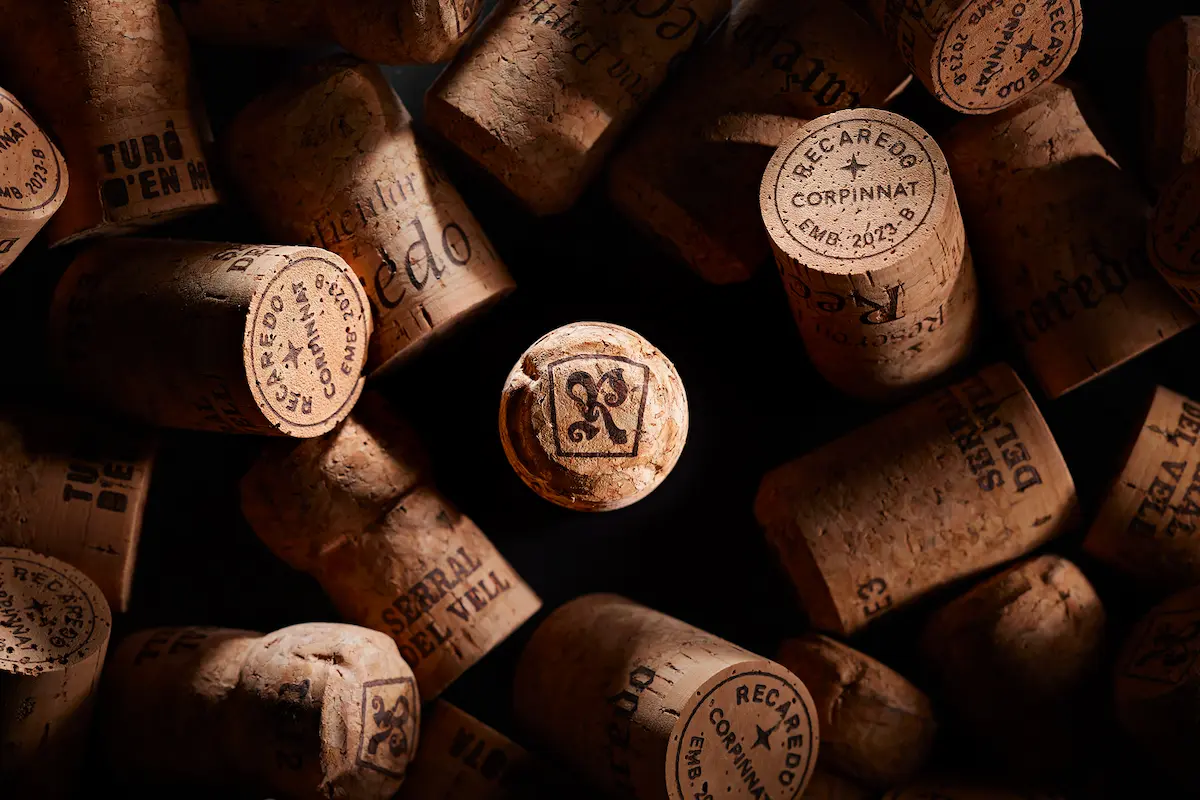
In keeping with our commitment to the highest standards of quality, all our wines are aged under natural cork. As well as being sustainable and recyclable, cork has the ideal elasticity and porosity to regulate the wine’s micro-oxygenation throughout its long period of ageing, helping to preserve its freshness compared with industrial crown-cap closures.
From two and a half years to over 25 years of ageing in Recaredo’s wine library
Recaredo’s exacting standards establish a minimum ageing period of 30 months—two and a half years—in the darkness of the cellars. However, patience at Recaredo goes much further: bottles in Recaredo’s wine library may spend more than 25 years ageing on the lees before release.
The human element: manual riddling and hand disgorgement without freezing
During the final stage of the winemaking process, craftsmanship guides a process in which every detail requires precision and sensitivity.
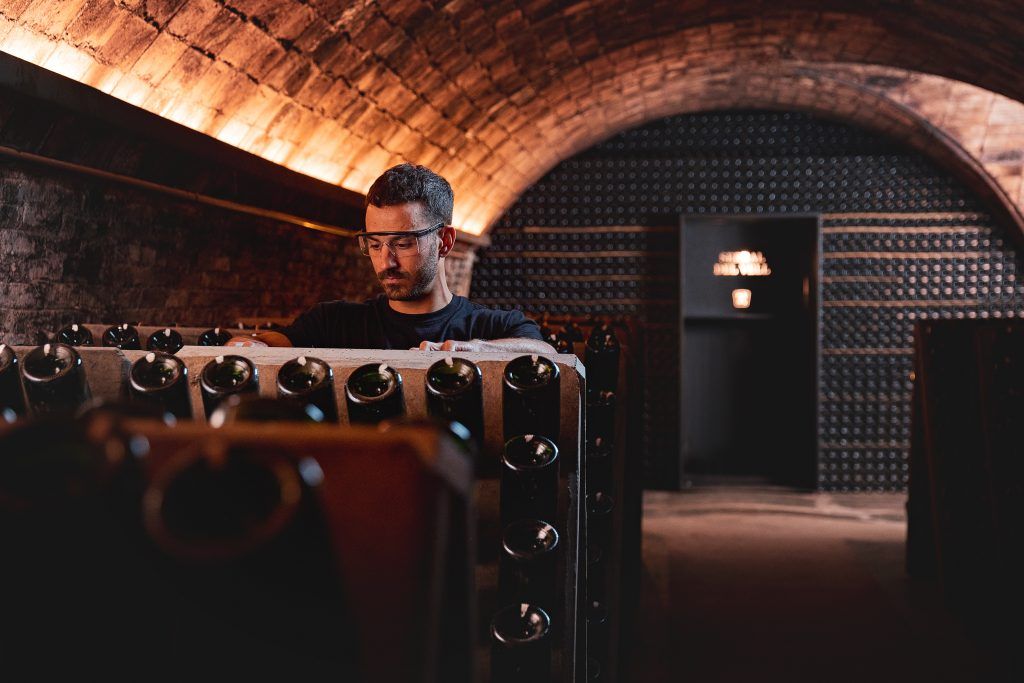
The craft of the master disgorger: a manual ritual at natural cellar temperature
Every bottle is riddled by hand in traditional racks, known as pupitres. Each day, our craftspeople perform a gentle and precise movement to guide the lees towards the neck of the bottle.
The master disgorger then removes the lees from the second fermentation by hand, one bottle at a time, at the cool, natural temperature of the cellars.
Precision in every bottle: why we do not freeze the neck to remove the lees
Unlike the widely used industrial method, at Recaredo we do not freeze the neck of the bottle. Disgorgement at natural cellar temperature avoids abrupt thermal shocks and helps preserve the wine in its purest expression. This manual process also allows the expert to inspect every bottle visually and assess its aroma, ensuring the quality of each Corpinnat.
Bureau Veritas: why does an external audit make a difference to consumers?

When a brand states that its processes are entirely artisanal, organic or carried out using its own grapes and resources, consumers may choose to believe those claims or question them. Bureau Veritas certification removes that uncertainty.
Having each of these commitments externally and independently audited by an internationally recognised organisation provides the strongest guarantee of authenticity. For consumers, this certification offers the assurance that every bottle contains exactly what the Recaredo family promises: territory, honesty and pure craftsmanship.
Frequently asked questions about Recaredo’s commitment and certification
Recaredo has worked with this independent auditing organisation since 2003, pioneering the comprehensive certification of all its viticultural and winemaking processes within the sector.
It means that we do not use commercially produced laboratory yeasts. Following two decades of research in collaboration with the Universidad Politécnica de Madrid, naturally occurring yeasts from Recaredo’s vineyards were selected and isolated. As a result, the entire fermentation process—both the first fermentation and the second fermentation in bottle—is an exact biological reflection of the land from which the wine originates.
Because it respects the integrity of a wine that has undergone long ageing. By not freezing the neck of the bottle, we avoid a sudden change in temperature that could alter the sparkling wine’s sensory characteristics, preserving the nuances developed during years of bottle ageing on the lees.
Bureau Veritas audits the estate’s vineyard records and certifies that all grapes entering the winery come exclusively from the registered hectares of family-owned vineyards, ensuring full traceability.
Discover all our vintages and bottle formats in the Recaredo online shop.